Lebanon: Middle East Escalation
Conflict
On 28 February 2026, a coordinated US-Israel military operation struck multiple sites in Iran, resulting in heavy casualties, including the death of Iran’s Supreme Leader Ayatollah Ali Khamenei and several senior officials. The incident has sharply heightened regional tensions across the Middle East.
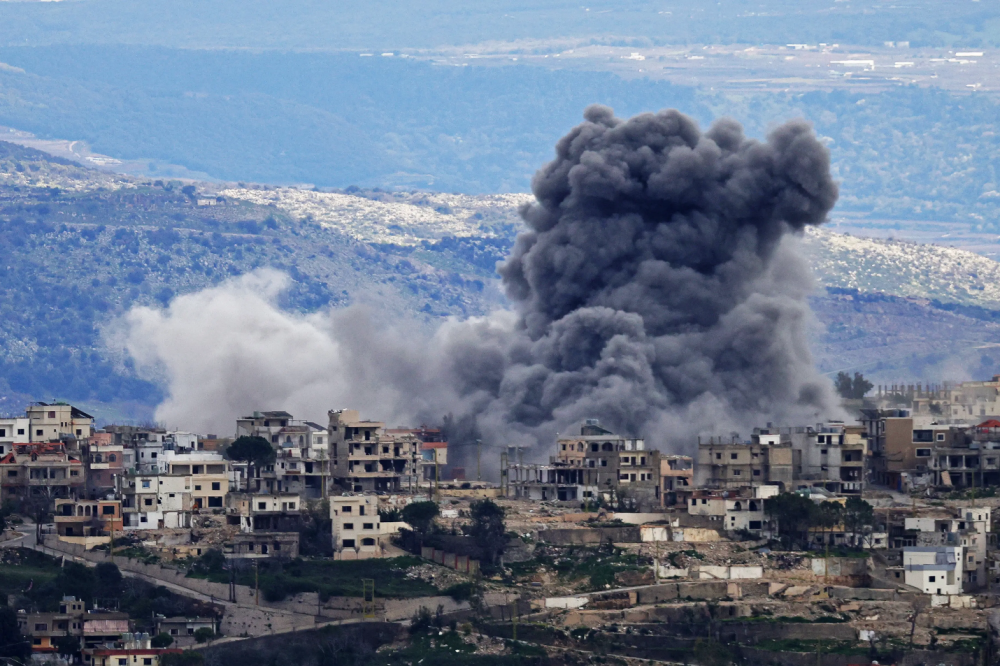
In response, Hezbollah launched attacks on Israel, prompting extensive Israeli strikes in South Lebanon, Dahieh in Beirut, and the Beqaa Valley in eastern Lebanon. Israeli authorities have issued evacuation warnings to over 100 villages in southern and eastern Lebanon, triggering large scale civilian displacement as communities flee areas at risk of further military action.
This escalation follows a prolonged period of hostilities in South Lebanon and Beqaa, where Israeli military operations continued despite the November 2024 ceasefire. By late 2025, these operations had resulted in the death of over 120 civilians and widespread destruction affecting over 10,000 buildings.
Amid the rapidly escalating regional conflict, Lebanon is experiencing a growing humanitarian emergency. More than half a million people have been registered as displaced, seeking refuge in government-run shelters and relying on humanitarian assistance for basic needs.
The Logistics and Telecommunications Cluster (LTC)* was formally activated in Lebanon on 16 March 2026 to support the humanitarian response with essential logistics and telecommunications services amid the escalating crisis.
*The LTC is a newly established service cluster within the global humanitarian architecture. Until 2025, the World Food Programme (WFP) led three IASC-mandated global clusters: Emergency Telecommunications (ETC), Logistics, and Food Security, reflecting its operational expertise in emergency contexts. As part of the Humanitarian Reset in 2025, the ETC and Logistics Clusters were merged to streamline service delivery and strengthen operational support. This consolidation led to the LTC, now responsible for ensuring that humanitarian responders have the supply chain, connectivity, and coordination services needed to operate effectively in complex emergencies.